Start with the basics
Calculators & Tools
Free interactive tools for Solana users — calculate staking rewards, compare fees and check for scams.
DCA, staking rewards, profit/loss, tax estimate, Lamports converter and fee savings vs Ethereum.
Fear & Greed index, Solana network status, full glossary of SOL terms and scam checker via Solscan.
Solana Basics
Learn how Solana works from the ground up – Proof of History, smart contracts, transaction fees and everything a beginner needs.
How-To Guides
Step-by-step guides for buying, selling, staking and using Solana — practical instructions for beginners.

Wallets
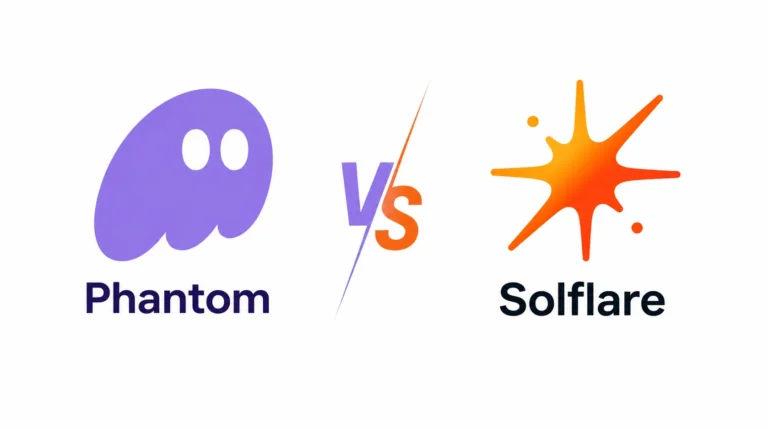
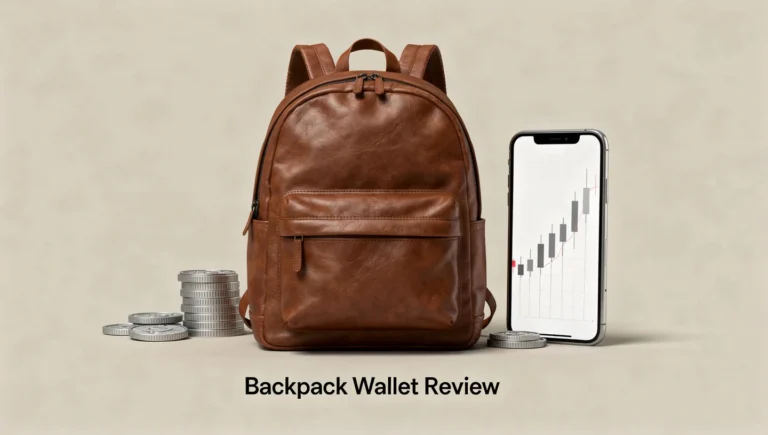
Reviews and comparisons of the best Solana wallets — Phantom, Solflare, Backpack and hardware options.
Security
Keep your Solana safe — guides on seed phrases, avoiding scams and securing your SOL wallet.

Frequently asked questions
What is Solana? +
Solana is a high-performance Layer 1 blockchain capable of processing over 65,000 transactions per second with fees below one cent. It uses a unique consensus mechanism called Proof of History to achieve this speed without sacrificing decentralisation.
What is SOL used for? +
SOL is the native token of the Solana network. It is used to pay transaction fees, participate in staking to help secure the network, and vote on governance proposals. You need SOL to interact with any application built on Solana.
Who created Solana? +
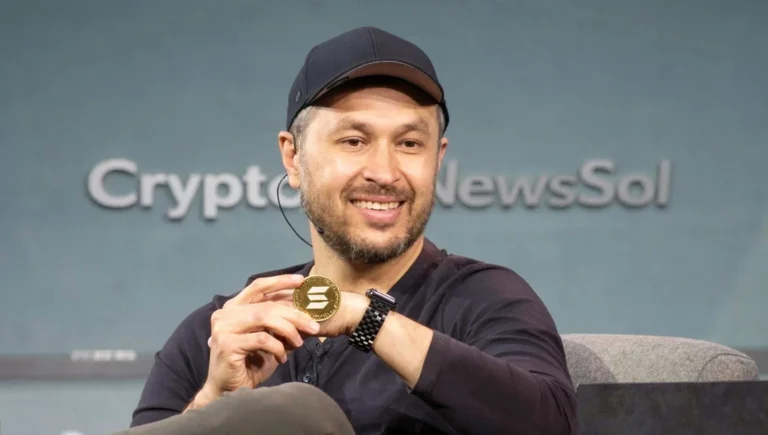
Solana was created by Anatoly Yakovenko, who published the original Proof of History whitepaper in November 2017. He co-founded Solana Labs with Greg Fitzgerald and other former Qualcomm engineers. The mainnet launched in March 2020.
How is Solana different from Ethereum? +
Solana is significantly faster and cheaper than Ethereum. While Ethereum processes around 15-30 transactions per second with fees that can reach tens of dollars, Solana handles thousands per second for fractions of a cent. The trade-off is that Ethereum has a larger developer ecosystem and longer history of security.
What is Proof of History? +
Proof of History is a cryptographic clock that records the order and timing of events on the Solana blockchain. Instead of validators agreeing on the time of each transaction, PoH creates a verifiable historical record that allows the network to process transactions in parallel at much higher speed.
Is Solana a good investment? +
This is not financial advice. Solana, like all cryptocurrencies, is a high-risk asset with significant price volatility. Before making any investment decision, conduct your own research, understand the risks involved, and consider consulting a licensed financial adviser in your jurisdiction.
Do you have tools to calculate staking rewards or fee savings? +
Yes. Our Calculators page includes free tools for staking rewards, fee savings vs Ethereum, DCA, profit/loss and tax estimates for SOL. Our Tools page offers a live Fear & Greed index, Solana network status, a full glossary of SOL terms, and a scam checker powered by Solscan.